


When my Year 8 students walked through the door that morning, they did not find a classroom.
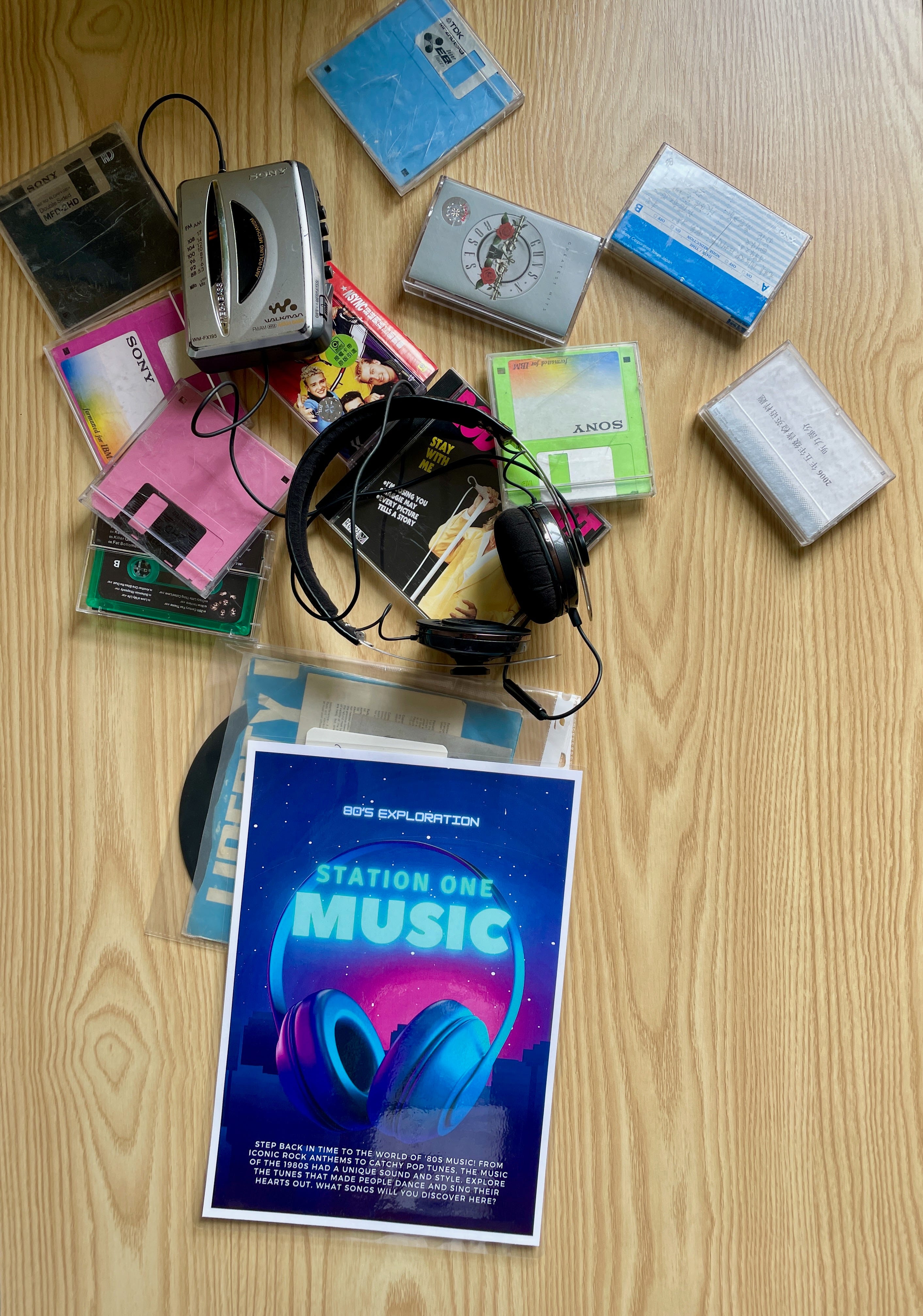
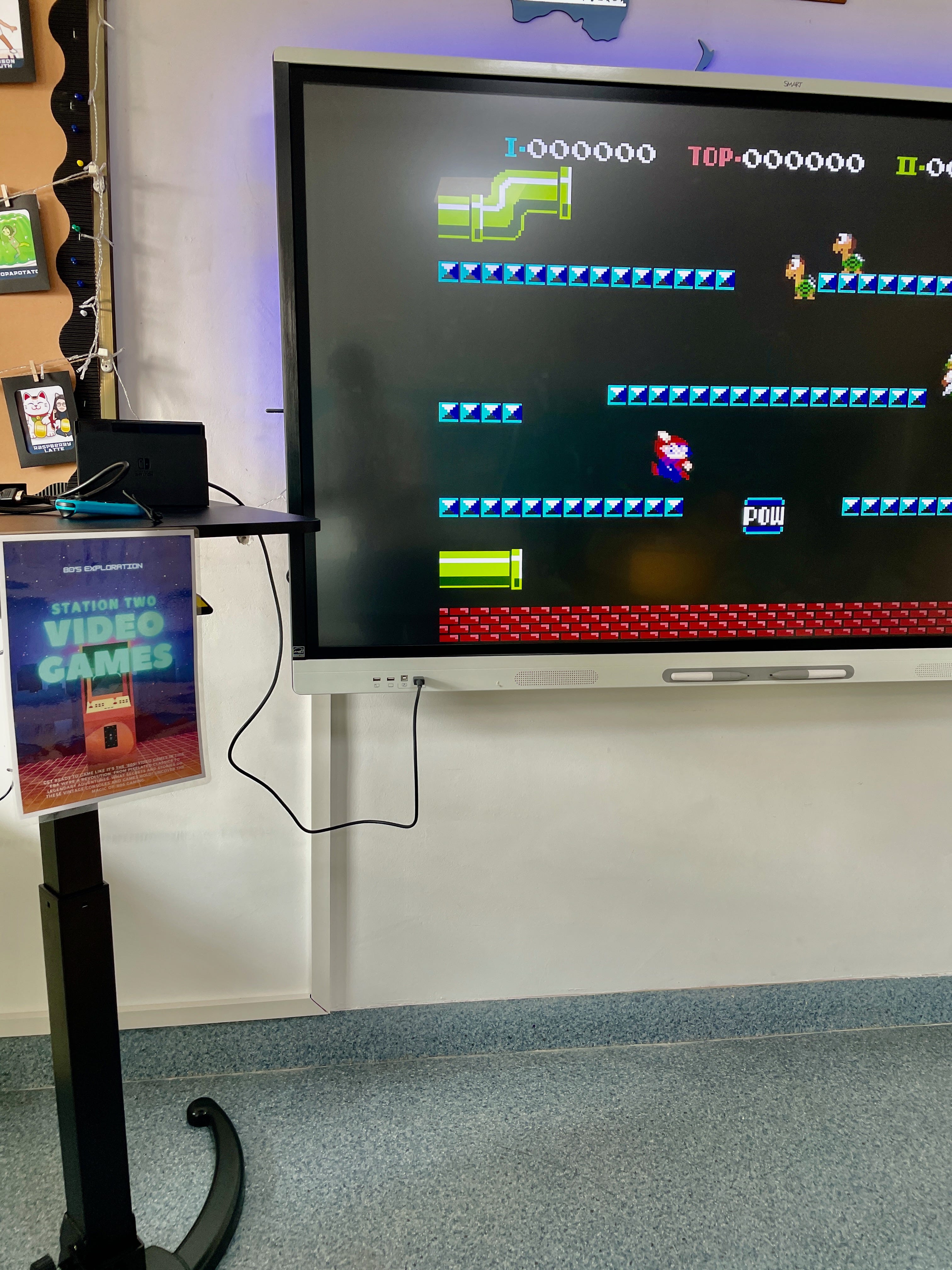
Cassette tapes and a Sony Walkman on one desk. An arcade game flickering in the corner. Shelves lined with 80s films, comic books, and board games. A synth-pop song drifting through the air.
They stopped in the doorway, blinking.
I gave them no instructions beyond one simple invitation: wander, and notice what surprises you.
And then I stepped back and watched.
What happened over the next twenty minutes is one of the reasons I still love teaching after eleven years.
Students who rarely spoke were suddenly explaining Back to the Future to classmates who had never heard of it. Students who recognised everything were articulating, perhaps for the first time, what it actually feels like to see the things you love treated as cultural artefacts worth studying. Questions were forming everywhere, and none of it required my direction
One student, sitting cross-legged on the floor quietly flicking through a collection of 80s film covers, looked up and said something I have never forgotten.
“Why do the stories people love always seem to say something about what they are afraid of?”
That question drove our entire unit. I had not planned it. I had not prompted it. I had simply created the conditions for it, and then got out of the way.
This is what a provocation does.
A provocation is not a starter activity. It is not a hook designed to make the lesson feel more engaging before you get to the real teaching. It is the moment you set the compass bearing for the entire inquiry. Get it right, and students carry the energy of it for weeks.
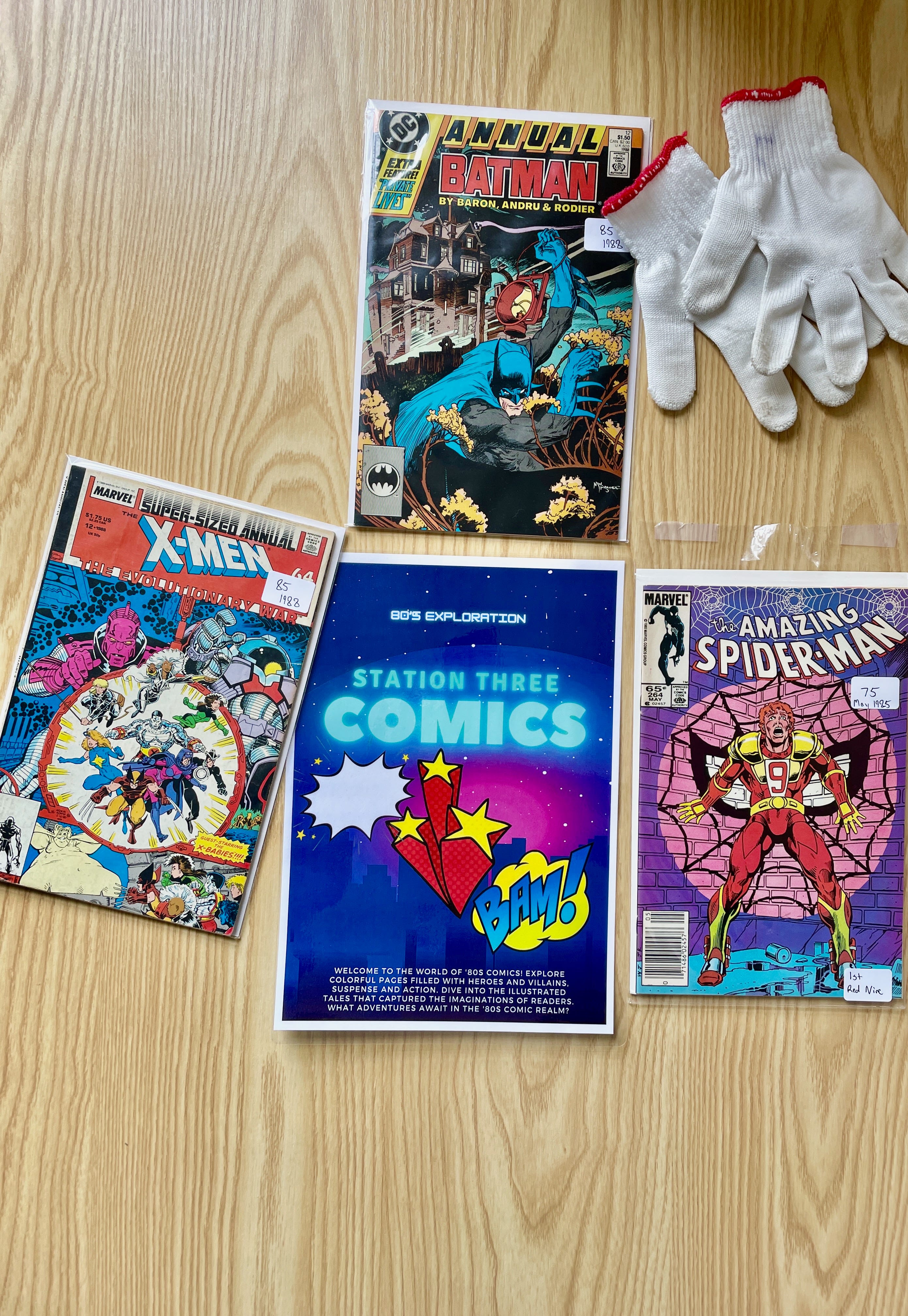
The 80s classroom was one of the more elaborate provocations I have designed. Most of them are far simpler. A short film clip. A photograph. A piece of music playing as students walk in. A mysterious object on a desk with no explanation. What every great provocation shares is this: it surprises students into genuine curiosity before the teaching begins.
And genuine curiosity, once lit, is almost impossible to extinguish.
Over the years I have developed three questions I ask myself whenever I am choosing a provocation:
Will it genuinely surprise them? Not entertain them, but actually surprise them. If students can predict where something is going, the provocation has already lost its power. I am looking for something that opens a door they did not know was there.
Does it connect to the big idea? The 80s classroom was not just fun — it was a direct experience of cultural connection, nostalgia, and identity, which was exactly where we were headed. A provocation should be a doorway, not a detour.
What will I do with what it stirs up? The provocation is the match. The follow-up is where you tend the flame. My most trusted follow-up is See, Think, Wonder — a Project Zero thinking routine that guides students from observation to interpretation to questioning. It takes ten minutes and it transforms what a provocation produces.
If you are planning a new unit soon, I would encourage you to start with this question rather than with the content: what experience could I give my students that would make them genuinely curious before I have taught them anything?
The answer to that question is your provocation. And it might just be the best lesson you teach all year.
One more thing before you go.
The 80s classroom story is actually from Chapter 1 of a book I have been writing called The Inquiry Expedition: A Field Guide to Student Readiness. It is a practical guide for secondary teachers who want to get their students genuinely ready for inquiry-based learning — not just ready to go through the motions of it, but ready to ask real questions, explore independently, and think for themselves.
The book is structured around four stages — Navigate, Explore, Synthesise, and Weave — and every chapter comes with classroom-tested tools and resources you can use straight away. Provocations are the very first tool in the Navigate stage, because before students can inquire, they need something worth inquiring about.
Which brings me to the resource from that chapter.
I have put together a Provocation Planning Worksheet — ten questions I work through every time I design a provocation for a new unit. It is the same process I used for the 80s classroom, and it is one of over thirty resources that come with the book.
It is free. You can download it now.
No waiting for the book. Just a practical tool you can use with your next unit.
The Inquiry Expedition: A Field Guide to Student Readiness is coming soon. Join the waitlist at expedition.fletchucation.com and be first to know when it launches. 🧭
And if this post was useful, forward it to one teacher who might need it. That is genuinely the best thing you can do to help Fletchucation grow.